
Custom Profiles & Install-Ready Millwork
Made-to-order fabrication designed to reduce site variability, minimize rework, and support specification clarity from drawing to delivery.
Operational Reality
Install-ready is not a marketing term. It refers to minimizing site variability by controlling what can be controlled before shipment.
Architectural wood systems often fail on site not because of the material, but because small fabrication and coordination details were left unresolved before installation begins.
Custom profiles and install-ready fabrication help move many of those decisions earlier in the process, where they can be controlled.
Canadian Bavarian manufactures made-to-order wood profiles and architectural millwork components designed to align with the specific conditions of each project.
The objective is simple. Reduce variability during installation and improve consistency across the finished facade or interior assembly.
What Install Ready Really Means
Install-ready is not a marketing term. Install-ready fabrication focuses on reducing the amount of variability that typically occurs during installation.
Rather than leaving every adjustment to be solved on site, fabrication decisions are coordinated earlier in the process. Installers receive material that has already been dimensionally verified, profiled, and prepared for its intended application.
What Install-Ready Actually Means
Install-ready fabrication refers to preparing material in a way that reduces repetitive trimming, recoating, and layout adjustments during installation.
Depending on the project, install-ready fabrication may include:
- profile machining completed before shipment
- dimensional verification of boards and profiles
- factory-coated end grain
- texture finalized such as sanded or resawn
- prefinished material where specified
- end-matched tongue and groove
- pre-trimmed board lengths depending on scope
Install-ready means reducing avoidable site work. It does not eliminate field installation requirements.
What Install-Ready Does Not Mean
Install-ready fabrication helps reduce variability during installation, but it does not eliminate installer responsibility or site coordination.
Install-ready does not mean:
- No field cutting
- No installer responsibility
- No site coordination required
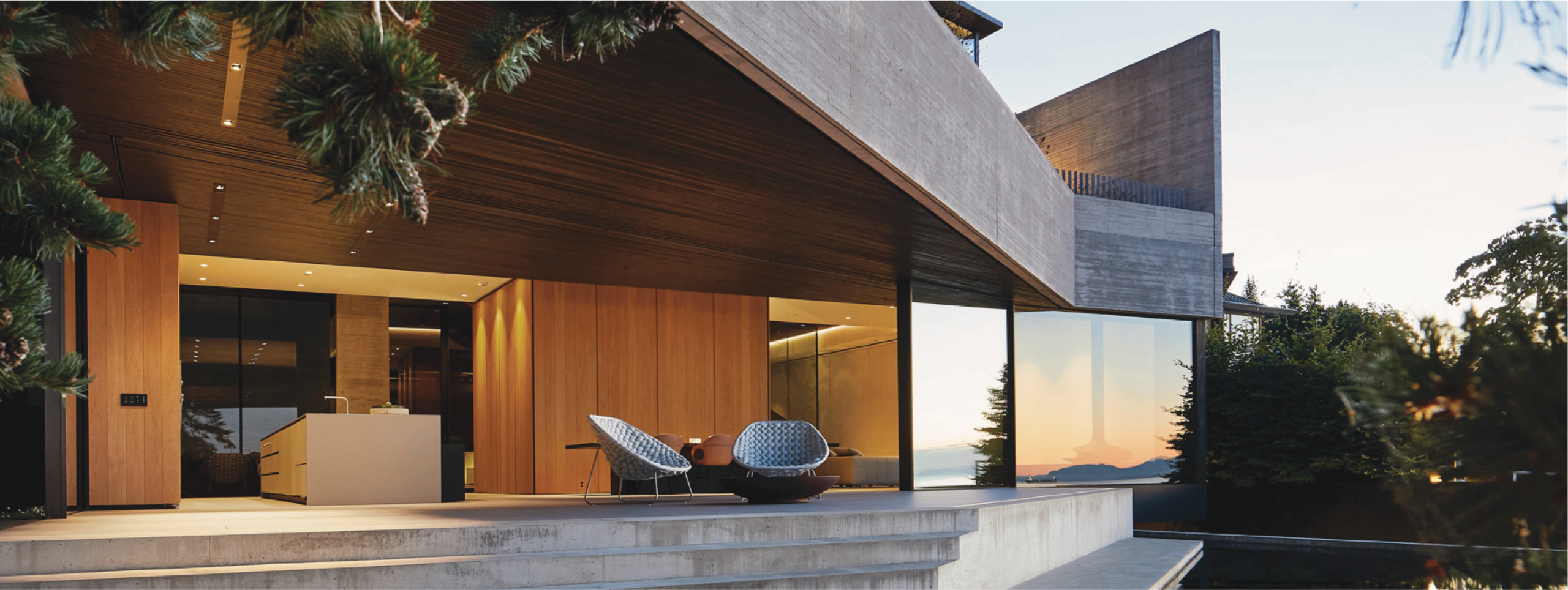
Install-ready fabrication helps reduce repetitive trimming, recoating, and layout adjustments during installation.
The objective is not to remove installer responsibility. The goal is to minimize avoidable variability before material reaches the job site.
Moisture is controlled before material leaves the facility.
Wood movement is heavily influenced by moisture conditions. Before shipment, material is conditioned to moisture levels appropriate for its intended environment.
Typical targets include:
| Interior Applications |
Exterior Applications such as siding or soffit |
| 8–10 percent moisture content Not exceeding 12 percent |
12–14 percent moisture content |
Moisture equalization continues after installation depending on climate exposure, ventilation, and building conditions. Controlling moisture before shipment helps reduce dimensional change that can occur immediately after installation.
Movement Is Engineered, Not Avoided
Wood movement is inevitable and must be accounted for in the design of the system.
Across long runs of cladding or paneling, expansion accumulates board by board depending on:
- species characteristics
- moisture variation between seasons
- total run length
- fastening method
- rain screen configuration
- exposure conditions
In some cases cumulative movement across long runs can become significant if it is not considered during design and installation.
A common failure pattern occurs when boards are installed tightly during dry periods. When humidity increases, expansion across the run can lead to compression, distortion, or reveal inconsistencies.
Movement must therefore be planned into the system rather than avoided.
Why Site Rework Happens
Site rework is rarely caused by a single issue. It usually occurs when several coordination decisions are made too late in the process.
Common drivers include:
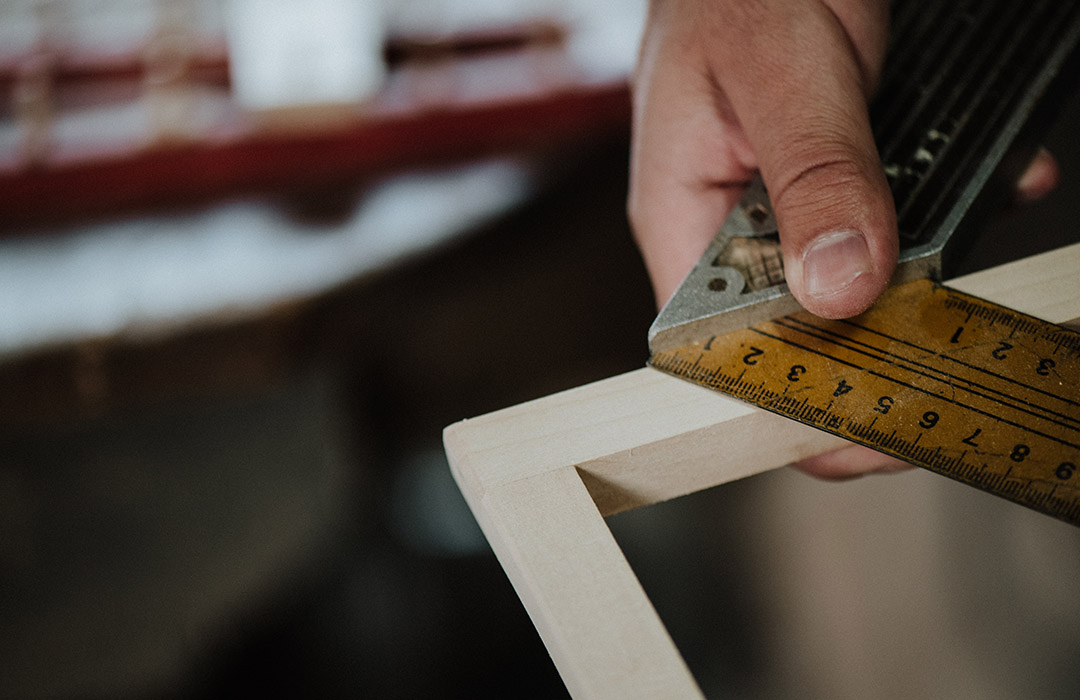
Layout Not Coordinated Early
Sliver boards, wider reorders, shipping delays, machine reset costs.
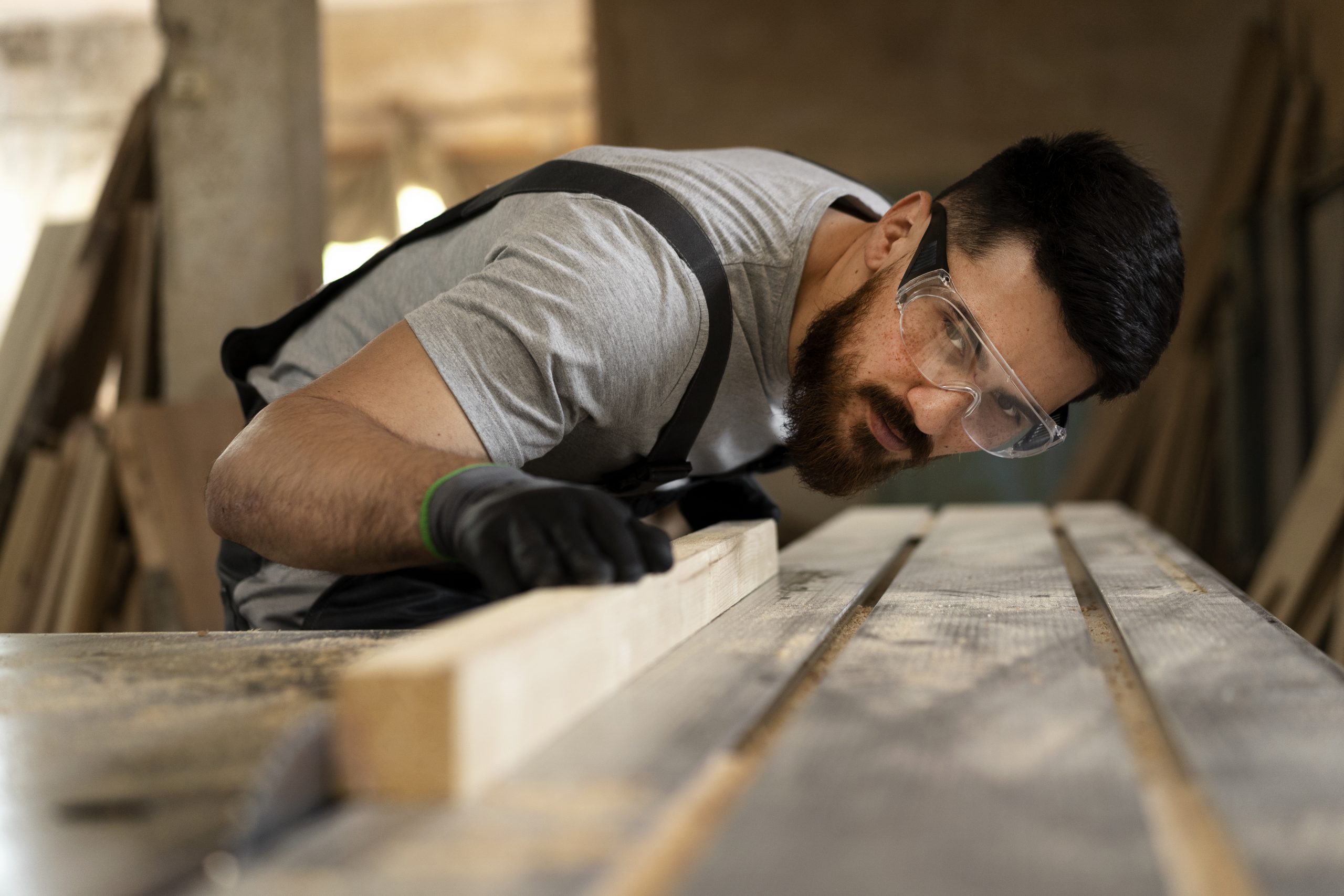
Movement Not Considered
Long runs accumulating board-by-board expansion.
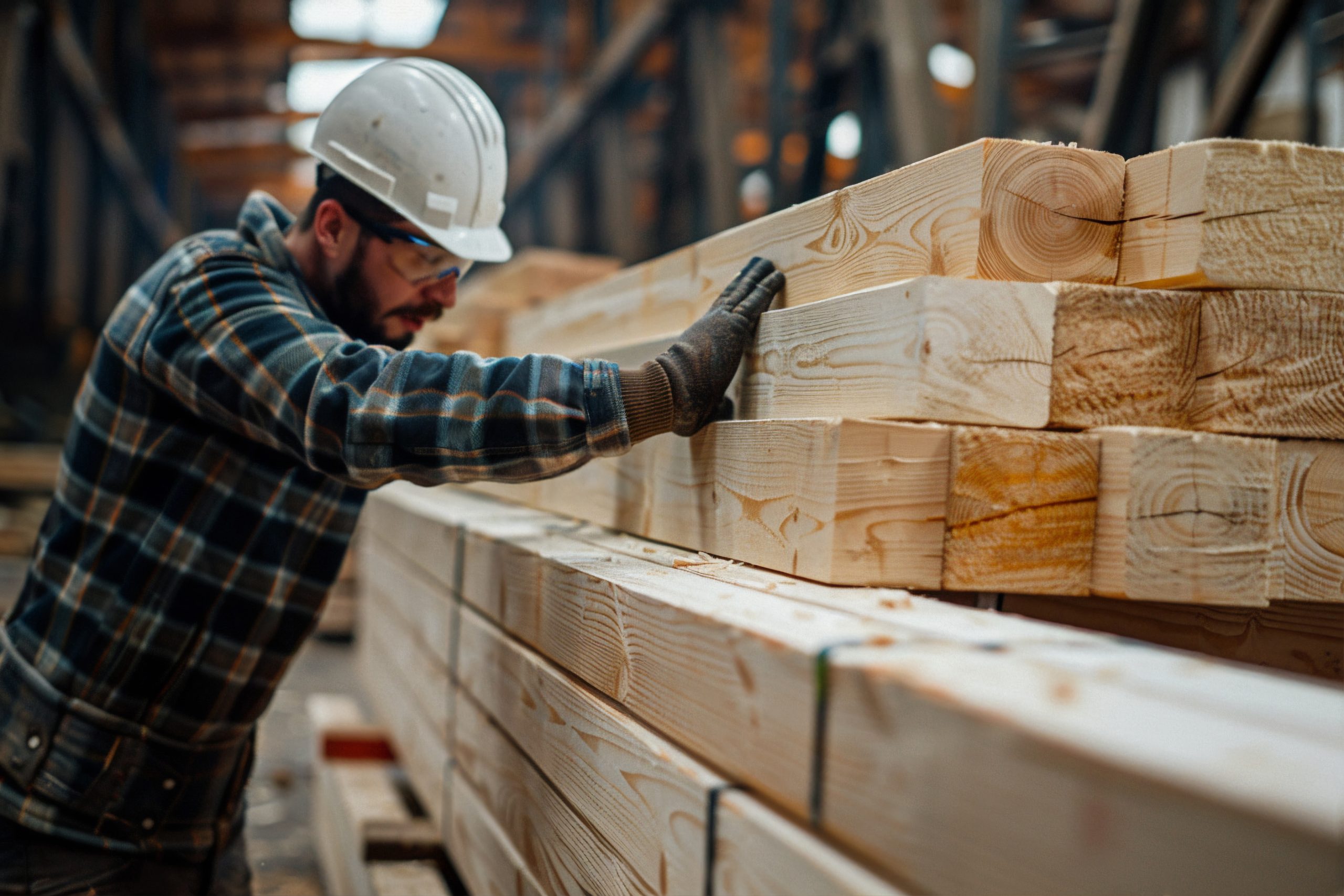
Flashing Detail Errors
Flashings angled toward building | Less than 1/8″ airspace | Water trapped behind metal | Overhang omission in wet climates

End Grain Not Sealed
End grain absorbs moisture significantly faster than the face of the board. When left unsealed, it allows water to migrate into the core of the material, increasing the risk of swelling, checking, and premature coating failure.

Installation Method Substituted
Contractors sometimes alter installation methods in the field, reducing fastening points or changing system behavior.
Meeting grade does not automatically mean meeting application requirements.
Standard lumber grading evaluates boards based on structural criteria.
Architectural cladding and millwork applications often require an additional level of evaluation.
A board may technically meet grade requirements but still be unsuitable for certain profile configurations.
Examples include:
- knots technically within grade but partially broken out
- twist or cup preventing proper tongue and groove engagement
- warp disrupting consistent reveal spacing
Boards must be evaluated for usability within the intended architectural configuration, not only for grading compliance.
Three-Stage Quality Control
Custom profile fabrication passes through several internal reviews before production begins.
Typical review stages include:
Sales Review
Initial scope evaluation and confirmation of project requirements.
Production Management Review
Verification of material selection, fabrication feasibility, and scheduling.
Moulder Lead Review
Final dimensional verification before machining.
These stages help identify drawing conflicts or dimensional inconsistencies before fabrication begins.
Lead Times, Reliability & Risk Reduction
How timelines are communicated, managed, and tracked across custom fabrication.
Architect Resources: Specs & Downloads
Spec sheets, profile details, documentation support.
Architect Guidance: Species & Wood Behaviour
Movement, UV exposure, coastal performance, life cycle considerations.
Cladding Applications
Interior panelling, exterior siding, ceilings, soffits, and custom systems.
Discuss Your Project Requirements
Each architectural project presents different fabrication considerations. Early coordination helps confirm feasibility and reduce installation surprises.
Share:
- architectural drawings
- profile requirements
- species selection
- finish specifications
- exposure conditions
- installation orientation
The team will review the information and confirm fabrication feasibility before production scheduling.