Material risk shows up on site, not on paper. You feel it when profiles arrive out of tolerance, when finish varies across elevations, or when moisture movement splits a joint that looked perfect in the shop. A reliable wood supplier removes that uncertainty before it reaches your crew. Clear standards, disciplined processes, and open communication protect your design intent and your schedule.
Architects, builders, and procurement teams need proof, not promises. A reliable wood supplier demonstrates vertical integration, a defined QA process, and communication standards that stand up to scrutiny. On-time delivery wood supplier performance depends on more than logistics; it relies on controlled production and informed consultation. The green flags below reflect practices that reduce risk across residential and commercial wood packages.
Reliable Wood Supplier Criteria That Reduce Wood Package Risk
Risk reduction starts with how your wood package is produced, inspected, and communicated. A reliable wood supplier does not leave profiling, finishing, and quality control to fragmented vendors. Vertical integration supports tighter tolerances, better finish consistency, and predictable lead times. Clear communication standards ensure that your team receives accurate updates at defined milestones.
Material performance depends on process control as much as species selection. A documented QA process protects against profile deviation, colour variation, and moisture related movement. On-time delivery wood supplier performance relies on visible production queues and defined escalation paths. These criteria form the baseline for supplier selection when you are responsible for specification integrity and construction sequencing.
11 Reliable Wood Supplier Green Flags Architects And Builders Can Verify
A reliable wood supplier shows discipline in production, inspection, and communication. You can verify these green flags through documentation, sample review, and structured conversations. Vertical integration and a documented QA process directly influence finish quality and dimensional stability. Each practice below reduces risk at specification, fabrication, and installation.
1. Vertical Integration
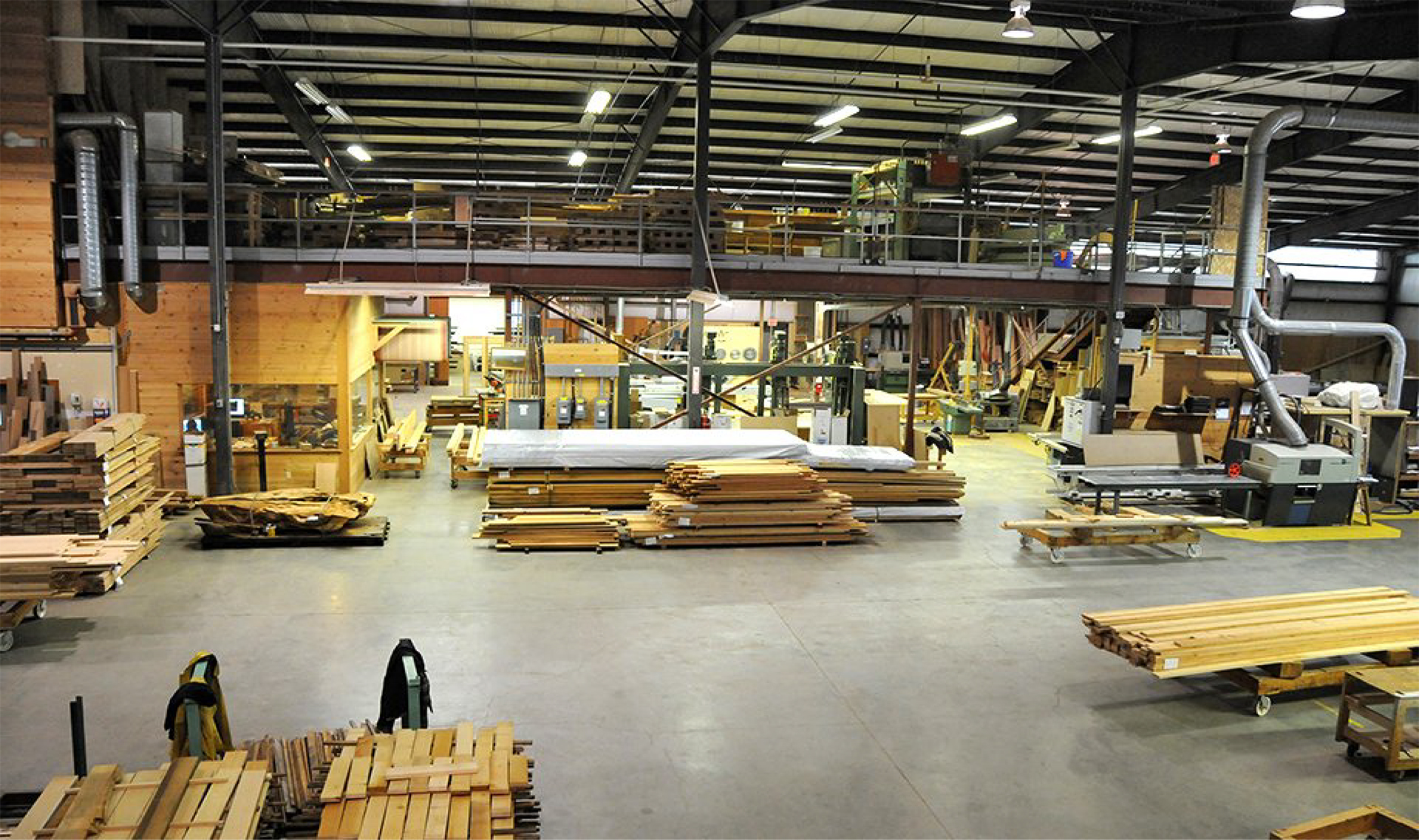
Vertical integration means your supplier controls key stages of production rather than outsourcing them. This control reduces handoffs that can introduce dimensional variation or finish inconsistency. When profiling and finishing occur within the same facility, communication gaps decrease. You gain clearer accountability for schedule and quality outcomes.
Risk decreases because tolerance control stays within one production system. Changes to profiles or finishes can be reviewed and implemented without delay. A vertically integrated structure also supports a stronger QA process since inspection criteria remain consistent across stages. This stability contributes to reliable on-time delivery wood supplier performance.
2. In House Profiling
In house profiling ensures that custom shapes match approved shop drawings. External milling can introduce discrepancies between intent and execution. Direct oversight of cutters and feed rates protects dimensional accuracy. Your specified reveal and joint detail remain consistent across production runs.
Profiling under one roof also allows rapid correction if adjustments are required. This responsiveness supports tighter tolerance standards and reduces rework. A reliable wood supplier documents cutter maintenance and calibration schedules. That discipline lowers the risk of field trimming or last minute modification.
3. In House Finishing
In house finishing keeps stain and coating systems aligned with substrate preparation. Outsourced finishing often separates surface treatment from material knowledge. Controlled application within the same facility supports uniform absorption and colour consistency. Your façade or interior surface reads as a cohesive design rather than a patchwork.
Finish quality directly affects long term performance and maintenance cycles. An integrated finishing team monitors moisture content and sanding sequence before coating. This oversight reduces blotching and premature coating failure. A reliable wood supplier treats finishing as a technical process, not an afterthought.
4. Triple QA Review
A triple QA review embeds inspection at multiple production stages. Early checks confirm raw material grade and moisture levels. Mid process inspections verify profiling accuracy and surface preparation. Final review validates finish quality and packaging standards.
Layered QA reduces the likelihood that errors reach the site. Each review point creates documentation that you can request and audit. This structured QA process strengthens confidence in delivered tolerances and appearance. Fewer site corrections translate into schedule protection and lower labour exposure.
5. Clear Tolerance Standards
Clear tolerance standards define acceptable dimensional variation for profiles and lengths. Without written tolerances, quality becomes subjective. Documented limits allow you to compare delivered material against measurable criteria. This transparency supports fair resolution if discrepancies arise.
Tolerance clarity reduces disputes between supplier and installer. Your crew can plan installation methods with accurate expectations. Reliable wood supplier relationships rest on shared understanding of acceptable variance. That alignment protects both specification intent and construction workflow.
6. Documented Milestone Communication
Documented milestone communication sets expectations for design approval, production start, finishing, and shipping. Communication standards define who receives updates and when. Structured reporting prevents surprises near project deadlines. Your procurement and site teams stay informed without chasing information.
Predictable updates reduce anxiety during critical sequencing periods. Escalation procedures address potential delays before they affect your schedule. An on-time delivery wood supplier maintains visibility from production through dispatch. This level of communication reflects operational maturity and respect for your timeline.
7. Transparent Production Queue
A transparent production queue shows your position relative to other orders. Visibility into capacity and scheduling supports realistic planning. Hidden backlogs create risk that surfaces only when lead times slip. Open scheduling demonstrates confidence in production management.
Clarity on queue position allows you to coordinate trades effectively. Procurement managers can align wood delivery with envelope completion or interior readiness. Reliable wood supplier transparency protects sequencing across complex builds. That visibility also builds trust between design and construction teams.
8. Climate Aware Species Guidance
Climate aware species guidance aligns wood selection with project location. Moisture swings, freeze thaw cycles, and solar exposure influence performance. A knowledgeable supplier evaluates these factors before confirming specification. You receive informed input rather than generic material recommendations.
Appropriate species selection reduces movement related issues over time. Modified wood and thermally treated options often perform better in challenging exposures. Guidance rooted in technical understanding protects cladding stability and finish longevity. This practice lowers long term maintenance risk.
9. Movement Engineering Knowledge
Movement engineering knowledge addresses how wood expands and contracts. Joint spacing, fastening methods, and substructure design all influence performance. A reliable wood supplier discusses these details during early consultation. You gain practical insight that supports detailing decisions.
Understanding movement reduces splitting, cupping, and joint stress. Clear recommendations on expansion allowances support predictable performance. This technical depth strengthens your specification documents. It also reinforces alignment between design intent and build execution.
10. End Coating Process
An end coating process protects cut ends from moisture ingress. Unsealed ends absorb water at a higher rate than faces. Proper sealing reduces swelling and staining at joints. This small detail carries significant impact over time.
Consistent end coating demonstrates attention to lifecycle performance. A reliable wood supplier includes this step within its QA process rather than leaving it to installers. That discipline supports cleaner reveals and longer finish durability. It also signals respect for long term building health.
11. Early Consultation Encouraged
Early consultation allows specification review before material procurement. Your profiles, fastening strategies, and finish systems can be evaluated in context. Constructive dialogue at this stage reduces costly revisions later. You gain clarity on feasibility and lead time.
Engagement before tender helps align budget, performance, and aesthetics. Technical feedback may refine detailing to support tolerance and movement control. A reliable wood supplier values this collaboration as part of risk management. Early involvement sets the foundation for on-time delivery wood supplier success.
QA Process Communication Standards And On Time Delivery Wood Supplier Proof
A disciplined QA process supports consistent outcomes across large and small projects. Communication standards translate production status into actionable updates for your team. On-time delivery wood supplier performance depends on both process control and reporting clarity. The proof lies in measurable practices you can request and review.
- Documented inspection checkpoints: Written records show when raw material, profiling, and finishing inspections occur. These checkpoints support traceability and accountability.
- Moisture content tracking logs: Regular measurement protects against movement related failure. Logged data demonstrates that moisture control is not assumed but verified.
- Approved sample retention: Retained control samples allow comparison against production runs. This practice supports colour and texture consistency.
- Scheduled milestone reports: Structured updates confirm production progress and shipping dates. Defined communication standards reduce uncertainty.
- Packaging and labelling protocols: Protective wrapping and clear labelling protect finish and simplify site handling. This attention reduces installation error.
- Freight coordination documentation: Confirmed carrier bookings and dispatch notices protect delivery timelines. Clear handoffs strengthen on-time delivery wood supplier reliability.
Strong QA and communication discipline reduce friction between design, procurement, and site teams. Documentation creates shared understanding rather than assumptions. On-time performance becomes predictable rather than hopeful. These standards protect your reputation as much as the material itself.
Vertical Integration Support From Canadian Bavarian For Reliable Wood Supplier Specs
Canadian Bavarian approaches each project as a specification partner, not a transactional vendor. Vertical integration across sourcing, profiling, and finishing supports tighter control over quality and scheduling. Technical guidance addresses movement engineering, tolerance standards, and climate suitability before production begins. You receive informed input that aligns with your architectural intent and construction realities.
Our QA process includes layered inspections and documented communication standards that keep your team aligned. Transparent production planning supports realistic sequencing and dependable delivery timelines. Consultation early in the process reduces revision risk and supports informed material selection. Reliable supply, technical clarity, and disciplined execution reflect the accountability you expect from a reliable wood supplier.
Key Takeaways
- A reliable wood supplier demonstrates vertical integration, a documented QA process, and clear communication standards.
- On-time delivery wood supplier performance depends on transparent production planning and milestone reporting.
- Clear tolerance standards and movement engineering knowledge reduce installation risk and long term failure.
- Climate aware species guidance and end coating processes protect durability and finish consistency.
- Early consultation supports informed specification and protects your project schedule.
Common Questions
How Do I Verify A Reliable Wood Supplier For My Project
You can verify a reliable wood supplier through documentation of vertical integration, QA process checkpoints, and communication standards. Request tolerance standards, moisture logs, and milestone reporting samples. Clear records signal that production is controlled rather than improvised. Canadian Bavarian supports this verification with documented inspection practices and transparent scheduling that protect your specification.
What Should I Ask An On Time Delivery Wood Supplier Before Award
Ask about production queue visibility, freight coordination, and escalation procedures for delays. Confirm how milestone updates are structured and who receives them. Reliable on-time delivery wood supplier performance depends on measurable systems rather than informal updates. Canadian Bavarian provides defined reporting and production planning that align with your project schedule.
How Does Vertical Integration Reduce Risk In Wood Packages
Vertical integration reduces handoffs that can introduce variation or miscommunication. Profiling, finishing, and inspection within one facility support consistent tolerances and colour control. Accountability remains clear when one team manages key stages. Canadian Bavarian uses this structure to support predictable quality and reliable sequencing for your build.
What Does A Strong QA Process Look Like For Architectural Wood
A strong QA process includes multiple inspection points, moisture tracking, and finish verification. Written tolerance standards and retained control samples protect design intent. Structured documentation allows you to audit performance with confidence. Canadian Bavarian integrates these practices into each order to support long term performance and aesthetic consistency.
Why Should I Engage A Reliable Wood Supplier Early In My Specification
Early engagement allows review of profiles, fastening strategies, and finish systems before procurement. Constructive input at this stage reduces revision risk and schedule pressure. Technical consultation strengthens detailing and movement planning. Canadian Bavarian encourages early dialogue to align performance, aesthetics, and delivery timelines.