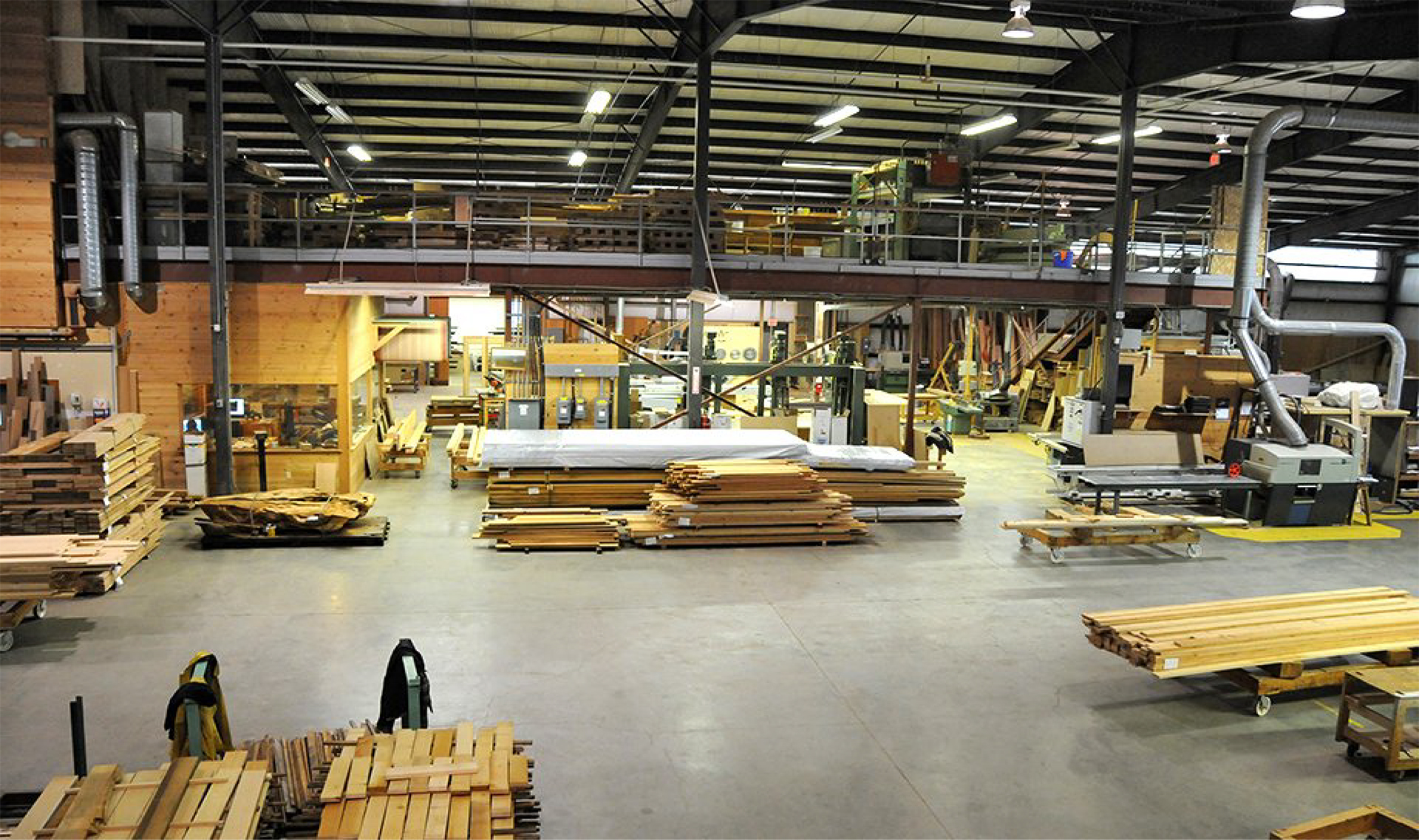
An on-time delivery wood supplier model relies on disciplined production control and transparent communication.
A two week millwork delay rarely stays two weeks. You feel it in trade stacking, extended rentals, and finish crews waiting for material that should already be installed. When your wood package misses its delivery window, the entire construction schedule risk profile shifts. What looked like a contained procurement issue becomes a ripple across trades, inspections, and occupancy targets.
Architects, builders, and construction managers plan finish work around tight sequences. Exterior cladding, interior wall systems, and architectural components often sit on the critical path. An on-time delivery wood supplier does more than ship product; they protect coordination, sequencing, and your reputation. Late millwork, on the other hand, can create procurement delays that expand into rework costs and strained GC coordination across the site.
On-Time Delivery Wood Supplier Standards That Protect Your Finish Dates
An on-time delivery wood supplier protects your finish dates long before the truck arrives. Delivery performance starts with specification clarity, production planning, and disciplined submittal control. When those standards are consistent, your schedule holds with fewer surprises. When they are loose, small slips multiply.
You need a supplier who treats required on site dates as fixed commitments rather than flexible targets. That means aligning lead times with production capacity, confirming profiles and finishes early, and locking colour approvals before fabrication begins. It also means transparent communication around order status, packaging, and site readiness. These standards directly reduce construction schedule risk and give your team confidence in sequencing finish trades.
Reliable delivery also depends on control over finishing, profiling, and quality checks. Outsourced steps add handoffs and potential delays that are often invisible during procurement. Clear production queues and milestone confirmations prevent last minute scrambling. When these standards are in place, your finish date is supported by process rather than hope.
Construction Schedule Risk From Millwork Lead Times And Dependencies
Millwork often sits on the critical path for exterior and interior scopes. Lead times, submittals, and site readiness must align for installation to begin as planned. A small shift in any of these factors increases construction schedule risk. You need visibility into dependencies well before fabrication starts.
Lead Times And Critical Path Exposure
Millwork lead times extend beyond raw material procurement. Profiling, finishing, curing, quality review, and packaging each require defined durations. When these steps are compressed or misaligned, the critical path absorbs the impact. That exposure often becomes visible only after other trades are already booked.
Your schedule depends on accurate lead time forecasts tied to confirmed scope. If profile complexity or custom colour development changes midstream, fabrication timelines shift. Those shifts do not exist in isolation; they affect installers, scaffold access, and weather windows. Clear early planning reduces this form of construction schedule risk.
Submittal Approvals And Procurement Delays
Procurement delays frequently originate in incomplete submittals or extended review cycles. Shop drawings, finish samples, and mock ups must move through approval without ambiguity. When approvals stall, production cannot proceed. That delay pushes delivery and compresses installation windows.
Colour revisions are a common source of delay. Late stage adjustments to tone or texture require re sampling and re approval. Fabrication remains on hold during this period, even if other components are ready. Strong submittal management reduces procurement delays and supports predictable sequencing.
Site Readiness And Trade Dependencies
Millwork installation depends on substrate completion, moisture control, and proper flashing. If site conditions are not ready, material may sit or require re staging. That introduces risk to quality and timing. GC coordination plays a central role in aligning readiness with delivery.
Trade stacking compounds the issue. When installers are rescheduled, subsequent trades shift as well. Electrical, glazing, and interior finish crews may be affected. Managing these dependencies reduces the likelihood that a short delay becomes a long ripple.
Delays rarely originate from a single isolated event. They typically reflect misalignment across lead times, approvals, and readiness. Addressing these dependencies early protects your overall schedule. A disciplined approach reduces construction schedule risk and limits downstream rework costs. Strong coordination and transparent communication remain your best safeguards.
GC Coordination For Hold Dates, Staging, And Trade Sequencing
GC coordination determines how well delivery aligns with installation. Hold dates must be realistic and tied to confirmed production schedules. If staging areas are not ready or access is restricted, material flow suffers. That friction adds unnecessary strain to your timeline.
Clear communication between the wood supplier and site team reduces guesswork. Delivery windows should align with crane availability, labour bookings, and weather forecasts. Staging plans need to protect material from moisture and damage while maintaining efficient access for installers. When coordination is tight, procurement delays are less likely to cascade into broader construction schedule risk.
Sequencing also matters for quality. Exterior cladding often needs to follow waterproofing and flashing completion, while interior systems depend on drywall and mechanical rough in. Misaligned sequencing can lead to partial installs and later rework costs. Active GC coordination keeps the focus on readiness, not reaction.
How A Two Week Delay Expands Across Your Project Timeline
A short delay in millwork delivery can trigger a chain reaction across your project. Each shift forces adjustments that compound over time. Labour, equipment, and site access must all be re aligned. The impact quickly extends beyond the original scope.
- Two week delay: Production or approval slippage pushes delivery past the planned install window. The installer must adjust their schedule and secure new dates.
- Installer rescheduled: Crews move to other projects, and your slot is no longer guaranteed. Rebooking may add weeks rather than days.
- Other trades pushed: Follow on trades such as glazing or interior finishes cannot proceed as planned. Their schedules shift, affecting inspections and occupancy milestones.
- Scaffolding extended: Rental periods extend beyond original estimates. Costs rise while exterior exposure continues.
- Weather exposure risk increases: Exterior wood components face additional moisture risk if installation moves into a less favourable season. That can introduce quality concerns and future maintenance issues.
- Budget pressure increases: Extended rentals, remobilization, and idle labour add to overall rework costs. What started as a procurement delay now affects your total project budget.
This cascade illustrates how tightly connected your schedule truly is. A contained delay becomes a systemic issue once multiple trades are affected. Each adjustment adds cost and coordination effort. Understanding this ripple effect helps you evaluate suppliers based on delivery discipline, not just price.
Structural Causes Behind Millwork Procurement Delays
Millwork delays often appear sudden, but their causes are typically structural. Supply chain design, approval workflows, and production control all influence timing. When these systems lack clarity, procurement delays become predictable. Delays are usually structural, not accidental.
Multi Party Supply Chain Complexity
Multiple suppliers and subcontracted processes create layered dependencies. Raw material sourcing, profiling, finishing, and logistics may involve different organizations. Each handoff introduces potential friction. Visibility across the full chain is often limited.
A consolidated production model reduces this complexity. When profiling and finishing occur within a controlled framework, coordination improves. Fewer external handoffs reduce timing variability. Your schedule benefits from that stability.
Outsourced Finishing And Quality Control Gaps
Outsourced finishing adds transportation and queue time. Material moves off site for coating and returns for inspection. Each transfer increases the chance of delay or damage. Quality control becomes more difficult when processes are fragmented.
Integrated finishing reduces these risks. Controlled curing times and documented quality checks support predictable output. Consistent oversight minimizes the chance of rework costs later in the project. That structure directly supports an on-time delivery wood supplier model.
Lack Of Reprioritization Control
Production queues shift when urgent orders enter the system. Without clear reprioritization protocols, your order may move back in line. That shift can occur without early notice. Your schedule then absorbs the impact.
Transparent queue management improves predictability. Confirmed production slots tied to required on site dates protect your position. Clear communication about any adjustments allows your team to respond early. Control over reprioritization supports reliable GC coordination.
Late Colour Approvals And Change Orders
Colour development and finish confirmation often extend beyond initial expectations. Late approvals halt fabrication. Change orders during production disrupt sequencing and material allocation. These factors frequently cause procurement delays.
Early finish alignment reduces this risk. Physical samples and defined sign offs create clarity before production begins. Restricting late scope changes protects both schedule and budget. Structured approvals limit rework costs and maintain delivery targets.
Structural issues require structural solutions. Focusing only on final delivery dates ignores the systems that shape them. Strong internal controls and clear communication reduce construction schedule risk at its source. Reliable performance depends on disciplined process, not last minute fixes.
How Canadian Bavarian Acts As An On-Time Delivery Wood Supplier
An on-time delivery wood supplier approach requires alignment from specification through installation. Canadian Bavarian supports architects, builders, and construction managers with disciplined production planning and technical guidance. Our focus on modified wood performance, precise profiling, and controlled finishing reduces variability. That consistency protects your finish dates and limits procurement delays.
We work with you early to confirm scope, profiles, and finishes before fabrication begins. Clear lead time communication and milestone updates support effective GC coordination. Integrated quality checks and reliable sourcing reduce the risk of rework costs tied to incorrect grades or finish discrepancies. When delivery aligns with site readiness and sequencing, your project moves forward with confidence grounded in performance and accountability.
Key Takeaways
- A two week millwork delay can expand into a multi week schedule disruption through trade stacking and extended rentals.
- Construction schedule risk often stems from misaligned lead times, approvals, and site readiness.
- GC coordination is essential for aligning hold dates, staging plans, and installation sequencing.
- Procurement delays and outsourced processes frequently increase rework costs.
- An on-time delivery wood supplier model relies on disciplined production control and transparent communication.
Common Questions
How do I evaluate an on-time delivery wood supplier for my project?
You should assess production control, finishing integration, and communication standards rather than relying on stated lead times alone. Ask how required on site dates are confirmed and how production queues are managed. Review how submittals, colour approvals, and change orders are tracked to reduce procurement delays. Working with a specification partner who aligns fabrication with GC coordination gives your schedule measurable protection.
Why does a short millwork delay create such large construction schedule risk?
Millwork often sits on the critical path for exterior and interior finishes. When delivery shifts, installers and follow on trades must reschedule, which compounds timing pressure. Equipment rentals and staging plans also adjust, increasing exposure and cost. A supplier who aligns production milestones with your build sequence reduces this ripple effect and protects your timeline.
How can I reduce rework costs linked to late wood deliveries?
Clear scope definition and early finish approvals limit changes during fabrication. Integrated quality control reduces the likelihood of incorrect profiles or inconsistent finishes reaching site. Coordinated delivery windows aligned with site readiness prevent partial installs and double handling. Partnering with a disciplined production team supports accuracy and limits unnecessary rework costs.
What role does GC coordination play in wood procurement?
GC coordination aligns delivery windows with crane access, labour bookings, and substrate readiness. Without this alignment, even on time shipments can cause staging challenges and delays. Regular communication between your supplier and site team strengthens sequencing and reduces construction schedule risk. Structured coordination supports predictable installation and smoother trade transitions.
How do procurement delays impact my overall project budget?
Procurement delays often extend rentals, increase labour remobilization, and push occupancy targets. These indirect costs frequently exceed the original material variance. Extended exposure can also introduce quality risks that lead to further rework costs. Working with a supplier who prioritizes controlled production and reliable sourcing helps protect both schedule and budget.