Trust is earned long before a contract is signed. That belief shapes how we show up at BC Wood’s Generate Business Leads event. We are not arriving with samples alone. We are presenting a disciplined way of working that supports architects, designers, builders, developers, and contractors from specification through installation.
Markets such as Japan place equal weight on process and partnership as they do on material performance. Clear communication, structured documentation, and accountability signal respect for your design intent. When you are evaluating an architectural wood supplier, you are assessing more than product quality. You are assessing whether the team behind the material will protect your reputation and your timeline.
Spec Ready Wood Packages Designed For True Project Alignment
Spec ready wood packages are not about sending a product sheet and hoping it fits your drawings. They are structured sets of spec ready documentation aligned with your architectural wood spec sheet and wood cladding specifications from the outset. Alignment means the profile, finish schedule, fastening approach, and moisture strategy are coordinated before pricing begins. That discipline removes uncertainty that often appears during shortlisting.
You want documentation that speaks clearly to specification writers and construction managers. A coordinated architectural wood spec sheet outlines performance criteria, tolerances, and finish expectations without leaving room for interpretation. Wood cladding specifications are reviewed alongside shop drawings to confirm consistency in dimensions and detailing. That approach allows you to compare options confidently during shortlisting rather than revisiting assumptions mid tender.
Early Specification Collaboration That Protects Design Intent
Design intent deserves careful handling from the first conversation. Early collaboration ensures your architectural wood spec sheet reflects both aesthetic goals and installation realities. When a supplier engages before final detailing, wood cladding specifications can be refined without forcing late compromises. That shared review builds clarity around scope and responsibility.
You benefit from conversations that include profile development, finish mock ups, and substrate coordination. Questions about movement allowances and ventilation gaps are addressed before documentation circulates to the broader team. Spec ready documentation then becomes a record of agreed decisions rather than a collection of assumptions. Your design language stays intact because it is supported by structured review.
Disciplined Process That Reduces Project Risk
Risk rarely appears in dramatic moments. It accumulates through small ambiguities in drawings and incomplete documentation. A disciplined process focuses on removing those ambiguities early and consistently. When spec ready documentation is built with care, you reduce friction during pricing, procurement, and installation.
- Coordinated architectural wood spec sheet review: Each section is verified against project drawings and consultant input. This reduces the chance of conflicting information between disciplines.
- Clear wood cladding specifications for moisture control: Ventilation, drainage, and end sealing notes are confirmed in writing. That clarity protects long term performance and reduces site questions.
- Documented tolerance standards: Acceptable variation is stated openly within the specification package. Installers understand expectations before materials arrive on site.
- Structured sample approval process: Finish samples and mock ups are tracked and recorded against the specification. This prevents confusion between approved colour and production batches.
- Transparent production and delivery milestones: Timelines are shared and updated in alignment with your construction schedule. You gain visibility that supports planning and sequencing.
Discipline is not about rigidity. It is about respecting your time and protecting your credibility with clients. A repeatable process means fewer surprises during tender and submittal review. You can focus on design and coordination rather than chasing clarifications. That stability is a key factor in earning consistent shortlisting across projects.
Vertical Integration As A Clear Commitment To Accountability
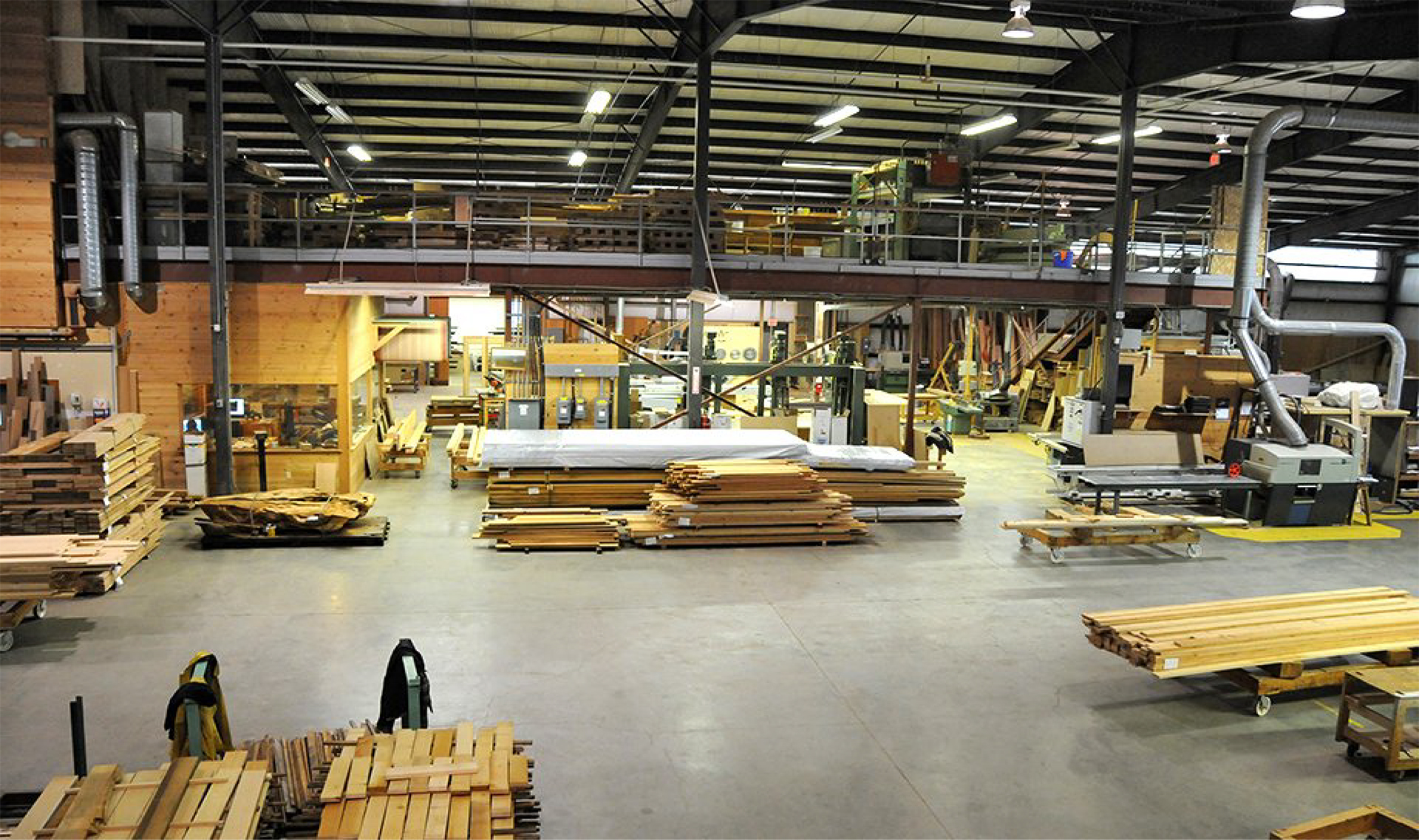
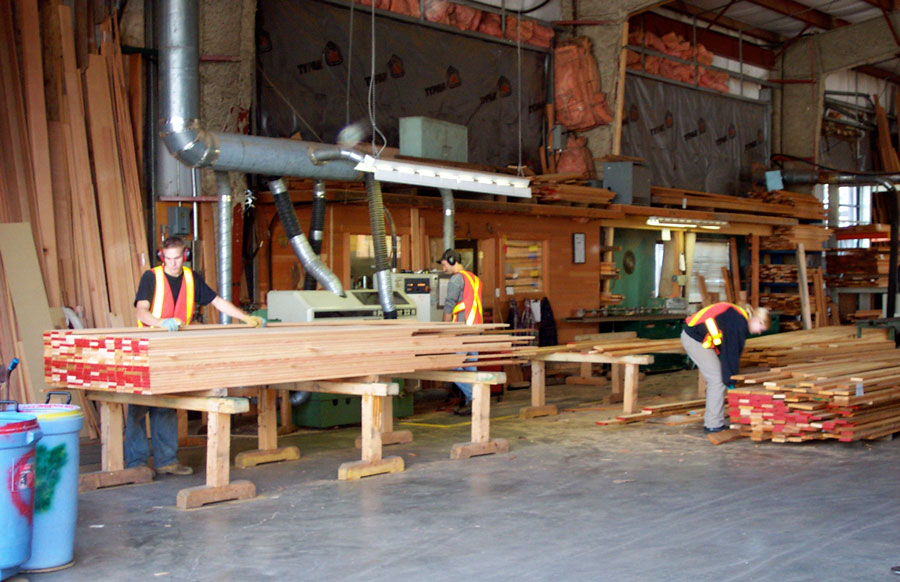
Vertical integration signals responsibility for the full scope of work. When profiling, finishing, and quality control are managed within one structured system, accountability remains clear. You are not left tracing issues across disconnected parties. That clarity supports trust during shortlisting and beyond.
Controlled Profiling And Precision Manufacturing
Precision begins with controlled profiling. Profiles are produced to align with your architectural wood spec sheet and approved shop drawings. Consistency in machining supports clean installation and reliable joint alignment. You receive material that reflects the dimensions specified, not an interpretation.
Quality checks are embedded within production rather than added as an afterthought. Dimensional accuracy and surface preparation are verified before finishing begins. This level of control reduces site modifications and protects finish integrity. Your crews spend less time adjusting and more time installing.
In House Finishing And Colour Consistency
Finish quality shapes first impressions. In house finishing ensures colour development aligns with approved samples and wood cladding specifications. Environmental controls and documented processes support repeatable results across production runs. You avoid variations that can disrupt façade continuity.
Finish schedules are tied directly to the architectural wood spec sheet. Each batch is referenced against approved standards before shipment. That documentation supports smooth submittal review and project closeout. Confidence grows when finish consistency is visible and traceable.
Integrated Quality Assurance And Documentation
Integrated quality assurance connects production, finishing, and packaging. Documentation is generated and stored as part of a structured workflow. You receive spec ready documentation that reflects actual production data, not generic templates. That alignment reduces ambiguity during inspection.
Clear records support transparency if questions arise. Traceability demonstrates respect for your specification requirements. Teams can respond quickly with accurate information because it has already been captured. Accountability becomes part of daily operations rather than a reaction to problems.
Vertical integration supports more than efficiency. It reinforces a culture of responsibility that extends from mill floor to project site. You see that commitment in the consistency of materials and the clarity of documentation. That reliability influences shortlisting decisions in subtle but meaningful ways. Trust grows when accountability is visible in every stage.
Clear And Complete Documentation That Minimizes Ambiguity
Ambiguity in an architectural wood spec sheet can lead to costly interpretation on site. Clear, complete documentation outlines scope, performance criteria, and installation guidance in plain language. Wood cladding specifications are aligned with drawings, structural notes, and finish schedules. This coordination reduces room for assumption.
Spec ready documentation also supports procurement managers who need concise information during shortlisting. Performance characteristics, sustainability data, and maintenance guidance are presented in a format that integrates easily into project manuals. Installers can reference fastening patterns and ventilation details without cross checking multiple sources. Your team spends less time clarifying and more time progressing the build.
Earning Shortlisting Through Trust Precision And Consistency
Shortlisting decisions are rarely based on price alone. Teams consider how confidently a supplier presents documentation, responds to questions, and supports coordination. An architectural wood supplier who provides structured spec ready documentation signals readiness for complex projects. That perception shapes long term collaboration.
Consistency across projects strengthens credibility. When wood cladding specifications are delivered with the same disciplined approach each time, your expectations are met predictably. Precision in communication builds respect among architects, designers, and contractors. Trust becomes a cumulative outcome of repeated reliability.
How Canadian Bavarian Provides Spec Ready Documentation For Shortlisting Success
Canadian Bavarian approaches each project as a specification partnership rather than a simple supply transaction. Our team reviews your architectural wood spec sheet and wood cladding specifications with attention to detail and alignment. Spec ready documentation is developed to reflect agreed profiles, finishes, and performance criteria. You receive structured information that supports clear shortlisting and confident approvals.
We provide modified wood products, exterior cladding systems, interior wall and ceiling applications, and architectural wood components supported by technical specification guidance. Production, finishing, and quality assurance are coordinated within a disciplined framework. This approach reduces uncertainty during procurement and installation while respecting your design intent. Trust is reinforced through precision, transparency, and consistent follow through.
Key Takeaways
- Spec ready documentation aligns your architectural wood spec sheet and wood cladding specifications before tender begins.
- Early collaboration protects design intent and reduces late revisions.
- Disciplined process reduces risk during pricing, procurement, and installation.
- Vertical integration reinforces accountability across profiling, finishing, and quality assurance.
- Trust and consistency are central to earning repeat shortlisting on complex projects
Common Questions
How Do I Structure My Architectural Wood Spec Sheet For Shortlisting?
You want your architectural wood spec sheet to present performance criteria, profile dimensions, finish schedules, and installation notes in one coordinated package. Clear wood cladding specifications reduce interpretation during tender review and help consultants compare options fairly. When you work with a supplier who understands spec ready documentation, your package becomes easier to evaluate and defend. Our team supports that structure so your shortlisting conversations stay focused on performance and fit.
What Makes Spec Ready Documentation Different From Standard Product Data?
Standard product data often highlights material properties without aligning them to your project scope. Spec ready documentation connects your architectural wood spec sheet to real profiles, finishes, and installation details specific to your drawings. This alignment reduces friction during submittals and site coordination. We focus on clarity and traceability so your documentation reflects actual project decisions rather than generic statements.
How Can An Architectural Wood Supplier Reduce Risk During Procurement?
Risk often stems from incomplete wood cladding specifications or unclear tolerance standards. A disciplined supplier verifies details early and documents agreed performance criteria before production begins. Clear communication around timelines and quality control further protects your schedule. We approach procurement with transparency and structured review so you gain confidence rather than uncertainty.
Why Does Early Collaboration Matter For My Wood Cladding Specifications?
Early collaboration allows movement allowances, ventilation details, and finish expectations to be confirmed before drawings are final. That timing protects your design intent and prevents late stage revisions. Spec ready documentation then reflects coordinated decisions rather than assumptions. Our role is to support your process so installation aligns with your original vision.
How Do I Evaluate If A Supplier Supports Long Term Partnership?
You can assess partnership through consistency in documentation, responsiveness to questions, and accountability across production stages. An architectural wood supplier who integrates profiling, finishing, and quality assurance within one framework demonstrates responsibility. Clear spec ready documentation signals respect for your time and project standards. We focus on disciplined process and reliable communication to support ongoing collaboration.